Archives April 2026

Smart Event Access Systems Using RFID Wristband Technology

RFID PVC wristbands are widely used for identification, access control, and cashless systems in modern events and facilities. They store digital information that can be read using radio frequency signals without physical contact. This makes entry faster and more organized. It works smoothly. Many venues depend on this technology to handle large crowds and improve security.

How RFID PVC Wristbands Work in Practice

RFID PVC wristbands contain a small chip and antenna embedded inside a durable plastic strap. When scanned by a reader, the chip sends stored data instantly for verification. Some systems can process around 450 wristbands per minute, which helps reduce long waiting lines at entrances during peak hours. This saves time. The system connects the scanned data to a central database for tracking.

Different wristband types are available based on frequency and usage needs. Low-frequency wristbands are often used for short events like one-day concerts, while high-frequency versions support faster communication and better data handling in large venues hosting more than 8,000 people. These choices vary. Organizers select based on event size and security requirements.

RFID PVC wristbands do not require physical contact or line-of-sight scanning, which allows smooth entry even when guests move quickly through gates in crowded environments where fast processing is important for maintaining order and safety. Entry becomes easier. Staff can focus more on crowd control instead of manual ticket checks.

Benefits of RFID PVC Wristbands in Real Applications

RFID PVC wristbands help organizations improve access control by reducing manual verification and speeding up entry processes. A reliable supplier offering RFID PVC Wristbands can provide tailored solutions for concerts, resorts, hospitals, and sports venues. When systems are automated, staff spend less time checking tickets and more time handling operations. This improves efficiency.

Security improves because each wristband carries a unique identification code that is difficult to duplicate, which reduces the risk of unauthorized access in venues handling over 12,000 attendees during large events. Quick scanning helps. This ensures safer and more controlled entry points.

RFID systems also allow real-time monitoring of visitor movement, helping organizers understand crowd flow and make adjustments during busy hours to prevent congestion in high-traffic areas. This supports better planning. It also improves safety management during large gatherings.

Industries That Depend on RFID Wristbands

RFID PVC wristbands are used in many industries where access control and identification are important. Entertainment venues like music festivals and amusement parks use them to manage large crowds efficiently. Entry becomes faster. Hospitals use them for patient identification and restricted area access.

Hotels and resorts use RFID wristbands as room keys and payment tools, allowing guests to access services without carrying physical cards or cash. Sports stadiums use them for ticket validation and crowd control during events with thousands of spectators. It reduces confusion. Fitness centers also use them for membership tracking.

Here are some common applications of RFID wristbands:

– Event entry and ticket validation
– Hospital patient tracking systems
– Hotel room access and payments
– Gym membership and attendance tracking

Large conferences and exhibitions also use RFID wristbands to manage participant flow and maintain order throughout the venue. It keeps operations organized. Many industries rely on this system today.

Challenges and Important Considerations

RFID PVC wristbands offer many advantages, but there are challenges that organizations should consider before using them at scale. The initial setup cost can be high, especially for events that require thousands of wristbands and multiple scanning stations to handle entry efficiently. This needs planning. Smaller organizers must manage budgets carefully.

Signal interference may occur in environments with heavy electronic devices or metal structures, which can affect scanning accuracy and require proper system setup and testing before use to ensure stable performance during busy periods. These issues matter. Preparation improves reliability.

Data handling is another factor, as systems must process large amounts of information quickly without delays during peak entry times. Staff training is also necessary to ensure proper use of scanning devices and accurate handling of visitor data. Training takes effort. Proper preparation reduces mistakes.

RFID PVC wristbands continue to improve access control and visitor management across many industries. With careful planning and correct setup, organizations can achieve faster entry and better security. This technology supports efficient crowd handling and provides a reliable way to manage identification in busy environments.


The Growing Importance of Construction Supply Magazines in the Building Industry

A construction supply magazine plays a steady role in helping professionals stay informed about tools, materials, and new methods. It brings useful knowledge into one place where builders, suppliers, and engineers can easily access it. Many people in the industry rely on these publications for updates they can trust. Clear information matters.

Understanding Material Trends and Costs

Construction supply magazines often track changes in material prices across different regions. Reports may show that brick costs rose by 10 percent over the past year, while steel prices stayed stable for six months. These numbers help contractors plan budgets more carefully and avoid delays. Real figures guide decisions.

Some issues include detailed charts and case studies that explain why these changes happen. Weather, supply shortages, and transport issues can all affect pricing. Readers learn how to adjust their buying strategies based on this data. Smart planning saves money.

Connecting Buyers With Reliable Suppliers

One major function of a construction supply magazine is to connect suppliers with contractors and builders. Businesses https://www.constructionsupplymagazine.com can promote their products and explain their services to a wider audience. A reader may find a new supplier who offers better pricing or faster delivery. Many professionals also use trusted platforms like to explore options and compare services available in their area.

This connection often leads to new partnerships that support long-term projects. Some small suppliers have reported gaining 15 new clients after appearing in a single issue. Growth takes time. Visibility helps. The magazine supports both sides of the market.

Reviewing Equipment and Tools

Product reviews are a key feature of construction supply magazines. Tools are tested under real conditions, sometimes over 60 hours of continuous work on busy sites. These tests show how durable and reliable each product is. Honest reviews matter.

Writers also compare similar tools from different brands. They look at performance, comfort, and cost to help readers make better choices. A clear comparison can save a company thousands of rupees in the long run. It reduces risk.

  • Power tools tested for heavy-duty work
  • Building materials checked for strength and durability
  • Safety equipment reviewed for worker protection

Encouraging Skills and Safety Awareness

Construction supply magazines often focus on training and safety practices. These topics are essential because they help reduce accidents and improve work quality. Some articles describe training programs that last 10 weeks and increase worker efficiency. Better skills lead to better results.

Magazines also share real stories from job sites where safety measures made a big difference. Workers learn from these examples and apply the lessons in their own projects. Short lessons stay useful. Experience builds knowledge.

A construction supply magazine continues to guide the industry by sharing real data, useful advice, and trusted connections that help professionals handle challenges, improve work quality, and build stronger partnerships across projects of every size.

Diamond Blades: Design, Performance, and Practical Uses

Diamond blades are essential tools used to cut some of the hardest materials found in construction and manufacturing. They are known for their strength, durability, and ability to produce precise cuts. These blades are not made entirely of diamonds. Instead, they use small diamond particles fixed onto a metal surface. This unique design allows them to cut through stone, concrete, and other dense materials with ease.

Structure and Manufacturing Process

Diamond blades are built using a steel core with segments that contain synthetic diamond crystals bonded with metal powders. The manufacturing process often involves sintering, where high heat and pressure fuse the materials together into a solid cutting edge. These synthetic diamonds are specifically engineered to handle extreme stress and temperature during operation. The structure is carefully balanced to maintain both cutting speed and blade life. Precision is critical.

The metal bond that holds the diamonds can vary depending on the intended use of the blade, and this affects how quickly new diamond particles are exposed during cutting tasks over extended periods. Softer bonds wear faster and are used for harder materials like granite. Harder bonds last longer and suit softer materials such as asphalt. Each design choice impacts performance. Small differences matter.

Common Types of Diamond Blades

Diamond blades are available in several types, each suited for different cutting tasks and materials. Segmented blades are designed for aggressive cutting, while continuous rim blades offer smoother finishes for delicate surfaces. Turbo blades combine speed and smoothness, making them useful for general purposes. Each type has its own advantages depending on the job. Selection is important.

In some industries, professionals rely on a wide network of suppliers and services, and they may even explore products like Diamond Blades when sourcing tools or accessories for operational needs. This shows how businesses often manage different requirements at the same time. Equipment sourcing can be complex. Planning helps reduce delays.

Here are several common types of diamond blades:

– Segmented blades used for fast cutting of concrete and brick
– Continuous rim blades designed for smooth tile cutting
– Turbo blades for balanced speed and finish
– Specialty blades for glass or ceramic materials

Each blade type performs best under certain conditions, and using the wrong one can reduce efficiency or damage the material being cut. Professionals often choose blades based on both the material and the desired finish.

Applications Across Industries

Diamond blades are widely used in construction, where they help cut concrete, asphalt, and stone materials during building and roadwork projects. Workers rely on these tools for tasks such as creating expansion joints or shaping structural elements. Stone fabricators also use diamond blades to cut marble and granite slabs into precise shapes. Their role is significant.

In manufacturing, diamond blades are used to cut ceramics, glass, and composite materials where accuracy is essential and even small cutting errors can lead to wasted materials or production delays. These blades are often mounted on machines that operate continuously for hours, requiring consistent performance. Efficiency drives production. Precision is necessary.

Maintenance and Safety Considerations

Maintaining diamond blades properly can extend their lifespan and ensure safe operation during use. Cleaning the blade after each use removes dust and debris that can affect cutting performance. Regular inspections help detect cracks or uneven wear that could lead to failure. Proper storage also protects the blade from damage. Care is essential.

Safety measures are equally important, as high-speed cutting tools can pose risks if not handled correctly, especially when dealing with materials that produce sparks or fine dust during cutting processes over extended work sessions. Operators should wear protective gear such as gloves, eye protection, and masks. Following manufacturer guidelines reduces accidents. Awareness improves safety.

Future Developments in Diamond Blade Technology

New technologies are improving the design and performance of diamond blades, making them more efficient and durable. Researchers are working on advanced bonding materials that can withstand higher temperatures and reduce wear. These innovations aim to increase cutting speed while maintaining precision. Development continues.

Automation is also shaping the use of diamond blades, as machines can now perform precise cuts with minimal human input, which improves consistency and reduces the chance of errors in large-scale operations that require repeated cutting tasks. As industries grow, demand for better tools will increase. Progress will continue.

Diamond blades remain vital tools for cutting hard materials in many fields, from construction to manufacturing. Their strength, precision, and evolving technology ensure they will continue to support demanding tasks and improve efficiency across industries where accuracy and durability are required every day.

Web Channels: The Foundation of Modern Digital Experience

Web channels have become a fundamental part of the digital world, shaping how people access information, communicate with others, and interact with technology on a daily basis. A web channel can be understood as an online pathway through which content, services, and communication are delivered to users across the internet. These channels exist in many forms, including websites, applications, streaming platforms, and online communication systems, all working together to create a connected digital ecosystem.

The evolution of web channels reflects the rapid progress of internet technology over the past few decades. In the early stages of the internet, web pages were simple and static, designed mainly to provide basic information. Interaction was limited, and users had little control over the content they viewed. As technology advanced, web channels became more dynamic and responsive, allowing real-time interaction and personalized experiences. This transformation turned the internet into an active environment rather than a passive information source.

One of the most important aspects of web channels is their ability to deliver instant communication and access to information. In today’s fast-paced world, users expect immediate responses and real-time updates. Web channels fulfill this expectation by continuously providing fresh content and enabling seamless interaction between users and systems. This instant accessibility has changed how people consume information and has created a culture where speed and convenience are highly valued.

Communication has been significantly transformed by the rise of web channels. Traditional methods of communication have been replaced or enhanced by https://web-channel.com digital platforms that allow people to stay connected regardless of distance. Social media platforms, messaging applications, and video conferencing tools all function as web channels that support constant interaction. This has made it easier for individuals to maintain relationships, collaborate professionally, and share ideas across the globe.

In the business environment, web channels have become essential tools for success. Companies use them to establish their online presence, promote their products, and engage with customers. A strong web channel can greatly influence brand reputation and customer trust. Businesses also use data collected through these platforms to understand user preferences and improve their services. This ability to analyze and respond to customer behavior has made web channels a key part of modern business strategy.

Education has also experienced a major transformation through web channels. Learning is no longer confined to physical classrooms, as digital platforms now provide access to a wide range of educational materials. Students and professionals can participate in online courses, attend virtual lectures, and explore interactive learning content from anywhere in the world. This flexibility has made education more accessible and adaptable to different learning styles and schedules.

Entertainment has similarly evolved with the rise of web channels. Streaming services, online games, and digital media platforms have changed how people consume entertainment content. Users now have the freedom to choose what they want to watch or play at any time, creating a highly personalized experience that fits individual preferences.

Despite their advantages, web channels also present challenges such as privacy concerns, misinformation, and digital overload. These issues highlight the importance of responsible usage and awareness when navigating online spaces.

In conclusion, web channels are a powerful force in the digital age, influencing communication, education, business, and entertainment. Their continued growth will play a vital role in shaping the future of how people interact with technology and the world around them.

Shiatsu massage therapy for pressure point healing

Massage is a hands-on practice used to relax muscles, reduce tension, and support overall physical well-being. It is used in many cultures for both healing and relaxation purposes. Some people seek it after physical strain, while others use it to manage stress. The effects can be felt in both body and mind after a single session.

Basics of Massage Therapy

Massage therapy works by applying pressure to muscles and soft tissues in a controlled way. This pressure helps improve blood flow and 7군 불건마 reduces tightness in areas that feel sore or stiff. Sessions often last between 30 and 90 minutes depending on the goal of the treatment. Touch matters a lot. Small movements can change how the body feels within minutes.

Different pressure levels are used depending on the client’s condition and comfort. Gentle strokes are used for relaxation, while stronger pressure may be used for deeper muscle problems. A trained therapist adjusts the technique during the session to match the body’s response. One strong sentence here shows how deeply massage can influence physical recovery when applied correctly to muscles that have been under long periods of stress or repetitive strain.

Massage Techniques Used Today

There are many massage techniques, each designed for specific needs and results. Swedish massage uses long, smooth movements that help relax the entire body and reduce stress levels. Deep tissue massage focuses on deeper muscle layers and is often chosen for chronic pain or long-term tension. Each method has a different purpose and intensity level.

People often choose a technique based on personal comfort and physical condition. Some prefer light pressure, while others need stronger treatment to reach deeper muscle groups. Many wellness centers offer multiple options, allowing clients to switch between methods depending on their needs. A helpful place to learn more about local services is , which provides access to trusted massage providers and wellness information. Choosing the right service can improve both comfort and results over time.

Health Benefits for Body and Mind

Massage provides several physical and mental benefits when done regularly. It helps reduce muscle tension, improve circulation, and support better sleep patterns. Stress levels often drop after just one session, especially when the environment is calm and quiet. Many people notice improved flexibility after a few consistent treatments.

– Reduced muscle stiffness in shoulders and back
– Improved blood circulation throughout the body
– Lower stress levels after long working hours
– Better sleep quality over time

These effects can build up when massage becomes part of a regular routine. Some individuals schedule sessions every two weeks to maintain results and prevent tension from returning. Others use it after physical activity to speed up recovery. One strong sentence here shows how consistent care over several weeks can gradually change how the body handles stress and physical pressure in everyday life.

Aftercare and Recovery Practices

After a massage session, the body may feel relaxed, warm, or slightly tired. Drinking water helps remove waste released from muscles during treatment and supports recovery. Light movement, such as walking, can help maintain circulation without straining the body. Rest is important after deeper sessions.

Some people experience mild soreness the next day, especially after deep tissue work. This is normal and usually fades within 24 to 48 hours. Stretching gently can help reduce stiffness and keep muscles flexible. Avoiding intense exercise immediately after a session gives the body time to adjust and recover fully.

Massage remains a simple but effective way to support physical comfort and mental balance. Regular sessions can improve how the body feels and responds to stress over time. With proper technique and care, it becomes a steady part of maintaining overall well-being and daily energy levels.

Building a Garden Pond: A Simple and Practical Guide

A garden pond can add beauty and calm to any outdoor space, even if the yard is small. The gentle sound of water creates a peaceful mood that many people enjoy after a long day. Building a pond may seem like a big task at first, yet it becomes easier when broken into clear steps. Planning ahead saves time and effort. Small details matter a lot.

Planning the Layout and Location

Start by choosing a good spot in your yard where the pond building a pond will sit naturally. Look for an area that gets about 5 hours of sunlight each day, since plants need light but too much sun can cause algae growth. Avoid placing the pond under trees because leaves can fall into the water and make it dirty. Pick a stable area.

Next, decide on the size and shape of your pond. A simple design might be 2 meters long and 1.5 meters wide, which is enough for small plants and a few fish. Curved edges often look more natural and blend better with the surroundings. Measure the space carefully before digging. Mistakes are costly.

Depth is another key point to consider when planning, because shallow ponds heat up faster during summer days, while deeper ponds, often around 80 to 100 centimeters, provide a more stable environment for fish and aquatic plants.

Choosing Materials and Basic Equipment

The materials you select will shape the final look and durability of your pond. Flexible liners are a popular choice because they can fit almost any shape and last for many years if handled properly. Preformed plastic ponds are easier to install but limit creativity in design. Pumps and filters are needed to keep water fresh.

Some people enjoy adding modern touches to outdoor setups, and a few even explore tools like to control pond lighting or small water features with a quick tap, although this is not necessary for a simple pond. Basic systems are enough. Keep it simple.

You will also need stones, gravel, and soil for aquatic plants. A medium-sized pond may require around 150 to 250 kilograms of rocks to create a natural border. Wash all stones before use to remove dust. Clean materials help keep water clear.

Digging and Building the Pond

Mark the outline of your pond on the ground using rope or chalk. Once the shape looks right, start digging slowly and follow your planned depth levels. Keep the sides slightly sloped to avoid collapse. Digging can take several hours depending on the size.

After digging, remove sharp stones and roots from the hole. These can damage the liner over time. Add a protective layer of sand or fabric before placing the liner. Spread the liner evenly and press it into the shape.

Fill the pond with water gradually while adjusting the liner, because slow filling allows the material to settle properly into every corner and reduces the chance of folds that could affect both appearance and durability.

Leave extra liner around the edges, about 25 centimeters, to secure it with rocks later. Install the pump and test it before adding decorative elements. Check everything carefully. Fix issues early.

Adding Plants and Fish

Plants help keep the pond healthy and attractive. Floating plants like water lilies provide shade and reduce algae growth. Submerged plants improve oxygen levels in the water. Try to cover about half of the pond surface with plants.

Fish can be added after the water settles for a few days. Start with a small number, such as 3 or 4 fish, to avoid overcrowding. Feed them once a day and watch their behavior closely. Healthy fish are active.

Common additions include:

– Floating plants for shade
– Oxygen plants for water quality
– Small fish like goldfish
– Stones for shelter and design

Fish need hiding spots to feel safe from sunlight and predators. Use rocks and plants to create shaded areas. Water temperature should be checked during hot months. Warm water holds less oxygen.

Maintenance and Care Over Time

Regular care keeps the pond clean and enjoyable. Remove leaves and debris every few days to prevent decay and cloudy water. Clean the filter system every two weeks or when it looks dirty. Check water clarity often.

Water levels can drop due to evaporation, especially when temperatures rise above 30 degrees Celsius during summer, so you may need to add water every few days to maintain a stable and healthy environment.

Test the water monthly for pH and ammonia levels. This helps protect fish and plants from harmful changes. Seasonal care is also needed, such as covering the pond during autumn or adding a heater in colder months if needed.

A well-maintained pond can stay clear and lively for years, providing a calm outdoor feature that supports plant growth, fish life, and a relaxing atmosphere for anyone who spends time near it.

A garden pond can become a peaceful part of your home when built with care and patience. Each step matters, from planning to maintenance. Take your time and enjoy the process. Over time, the pond will grow into a natural space filled with life and quiet beauty.

Gaming mechanics driving online interaction

Online gaming has become one of the most popular hobbies across the globe for people of many ages. Through the internet, players connect with others to share challenges, explore worlds, and compete in matches that feel exciting and alive. Some players meet friends they have known for years through play. Others enjoy the thrill of facing new rivals in a match that lasts minutes. Online gaming creates digital social spaces that many people enjoy every week.

How Players Connect in Virtual Worlds

Online gaming brings people together through shared virtual spaces where they interact in real time. Some games allow just a few players on one team, while others support more than 50 players in the same world with many tasks happening at once. One service used by millions to find, download, and update multiplayer titles is, which also shows players who is online and what friends are playing. Players use voice chat and text chat to coordinate moves, warn teammates, and celebrate wins together in tense moments. This live interaction makes matches dynamic and keeps people coming back for more shared play.

Many online games have missions that reset daily or weekly so players can earn rewards if they log in regularly and complete tasks in time. Quick matches can end in under eight minutes, which is great when someone has a short break. Other adventures require rounds that last more than 30 minutes because they include layered tasks that teams must solve together. Players choose what kind of session fits their mood or schedule, making online gaming flexible and fun. The variety of session lengths helps players stay engaged without feeling rushed or bored.

Servers group players from many regions, and meeting people from faraway places in one match is common. Some players meet folks from five or more countries in a single session, sharing language and laughter as they play. These moments create fresh experiences because no two matches ever feel exactly the same. Teams learn to adapt to each other’s moves and react in new ways as matches unfold. This unpredictable quality makes online gaming exciting and social at the same time.

Social Bonds and Teamwork in Play

One of the strongest appeals of online gaming is how it builds friendships and social bonds that feel meaningful. Players who meet in matches sometimes form teams that plan to meet at set times each week. These gatherings feel like digital hangouts where people share jokes, plan tactics, and talk about life outside the game. Teams often give themselves names that reflect inside jokes or shared moments, which makes play feel personal and memorable. Many friendships formed online feel as strong as those made offline because players share many hours of time and effort together.

Players often use messaging apps or voice channels outside of matches to plan future play sessions or talk about recent battles, which keeps communication flowing long after a single match ends. Some groups even plan small events like challenges for new members or once‑a‑month team battles that feel like celebrations. These social routines make gaming feel like a club where people belong and look forward to meeting again. Shared success and friendly chats help players maintain strong connections that make play more rewarding than just winning or losing.

Large communities of fans also form around specific titles, hosting forums, fan art spaces, and discussion boards where players share tips and stories. People talk about that one match that lasted more than 40 minutes and had a comeback no one saw coming. Others post screenshots of funny mistakes that lightened the mood when play was tense. These shared stories help everyone feel part of a larger circle of players who know the same world and missions. That sense of community extends beyond the match itself into daily conversations and friendships that grow over time.

Types of Games and Styles of Play

Online gaming includes many types of titles that match different tastes and moods. Some focus on fast action where reflexes and quick thinking win the day. Other titles emphasize careful planning, strategy, and coordination that take time and patience to master. Stillothers create vast worlds that players explore together, solving puzzles, discovering hidden areas, and completing long story arcs that feel like shared journeys. This wide range lets players choose what style of gaming they enjoy most at any moment.

Short action matches are perfect for quick breaks or when https://agenciacriacaodesites.com.br/ someone has only a handful of spare minutes. A match can be over in less than eight minutes yet still feel thrilling. Longer sessions may last more than 30 minutes and often involve objectives that require teamwork to complete. Some games include seasonal events that span a few weeks and ask teams to complete limited‑time tasks for special rewards that no one else can earn outside the event. These changes keep the world feeling alive and give players fresh reasons to return often.

Competitive players enjoy ranked matches where performance is compared globally, which pushes them to refine skills and tactics over time. Others prefer casual modes where cooperation and exploration matter more than winning or losing. Many titles let players switch between competitive and casual modes, giving freedom to play how they want on any given day. This flexibility means online gaming can appeal to people with different goals and energy levels, making it welcoming for many communities of players.

Healthy Habits for Gaming and Life

Online gaming can be fun, but it also has challenges that players must manage to keep play positive and balanced with other parts of life. Some matches include rude language or unkind behavior that can feel discouraging when all someone wants is an enjoyable session. Technical problems like lag or sudden disconnects sometimes interrupt play right when a team is close to winning a match. A few players use unfair tricks that spoil fair competition for others who just want honest fun. These experiences remind players to take breaks and find communities where respect and kindness matter.

Time management is another area that requires care because gaming can feel immersive, and hours can pass without notice. A short break can turn into a long session if a player loses track of time, and this can affect sleep, chores, or work schedules. Many people set alarms so they remember to rest their eyes, stretch, and walk around after an hour or two of play. Families often agree on play times so chores, meals, school, and sleep happen alongside gaming. These habits help keep play fun without overshadowing other life responsibilities.

Some online titles offer optional purchases such as character outfits, bonus items, or extra levels that cost real money, and these can be tempting. If someone buys too many without thinking, the cost can add up and surprise them when a bill arrives later. Talking about purchases with family and setting a budget helps avoid this stress. Good choices about money and time help players enjoy gaming without regret. Healthy habits create a positive balance between play and daily life that makes both more rewarding and less stressful.

The world of online gaming will keep growing as people meet, play, and form connections in digital spaces where challenges, teamwork, laughter, and shared memories make play more than just a hobby but a place where many forge friendships that matter long after they log off.

Trusted Olathe Paving Contractor Services

An Olathe paving contractor provides essential services for constructing and maintaining durable, high-quality paved surfaces for residential, commercial, and municipal projects. Asphalt and concrete paving are critical for driveways, parking lots, roadways, and walkways, and selecting a skilled contractor ensures projects are completed efficiently, safely, Olathe paving contractor and to professional standards. Paving contractors in Olathe bring experience, equipment, and expertise to every project, delivering long-lasting results that meet both functional and aesthetic requirements.

The process begins with a detailed evaluation of the project site. A paving contractor inspects the area to assess soil conditions, drainage, and any existing pavement issues. Proper preparation is crucial to creating a strong foundation, as a well-prepared base prevents settling, cracking, or premature deterioration. Contractors often grade and compact the site to achieve a stable surface before paving, which is essential for long-term performance.

Selecting the right materials is another important responsibility of an Olathe paving contractor. Asphalt is commonly used for its flexibility, durability, and cost-effectiveness, while concrete is preferred for areas requiring added strength or specific design features. Experienced contractors guide clients in choosing the best option based on the project’s intended use, traffic load, and budget considerations, ensuring that the final surface meets both performance and visual standards.

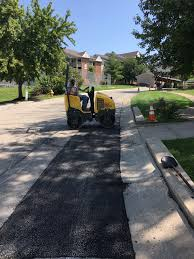
The installation process requires skill and precision. Contractors spread and compact asphalt or pour and finish concrete to create smooth, even surfaces. Proper compaction and finishing are critical to ensure durability, prevent water infiltration, and maintain a professional appearance. Olathe paving contractors use modern equipment and techniques to achieve consistent, high-quality results on every project.

Maintenance is an integral part of paving services. Even high-quality pavement requires periodic upkeep to extend its lifespan and maintain appearance. Paving contractors offer services such as crack filling, sealcoating, pothole repair, and resurfacing to protect the surface from damage caused by weather, traffic, and everyday wear. Regular maintenance helps prevent small problems from escalating into costly repairs or full replacement, ensuring the pavement remains functional and visually appealing.

Working with a professional Olathe paving contractor also ensures compliance with local regulations and permitting requirements. Skilled contractors understand city codes, zoning laws, and construction standards, which helps avoid delays and ensures that projects meet legal and safety requirements. Many contractors also provide warranties or guarantees, giving clients peace of mind that their investment is protected.

A reputable Olathe paving contractor offers transparency and clear communication throughout the project. Clients receive detailed estimates, timelines, and explanations of the process, making the work predictable and stress-free. Experienced contractors can handle projects of all sizes, from residential driveways to commercial parking lots and municipal roads, demonstrating versatility and reliability.

In conclusion, an Olathe paving contractor is essential for creating durable, attractive, and functional paved surfaces. From site evaluation and material selection to installation and ongoing maintenance, professional contractors ensure that every project is completed to the highest standard. Investing in skilled paving services in Olathe enhances property value, safety, and curb appeal while providing a long-lasting solution for residential, commercial, and public paving needs.